

Delhi to Jaipur is one of the most travelled routes in India, roughly 270 kilometres, and there is no single right way to do it. There are four reasonable options and they optimise for different things.
Train: the default, and usually correct
Several services run this corridor daily, including fast daytime trains that make the run in a few hours.
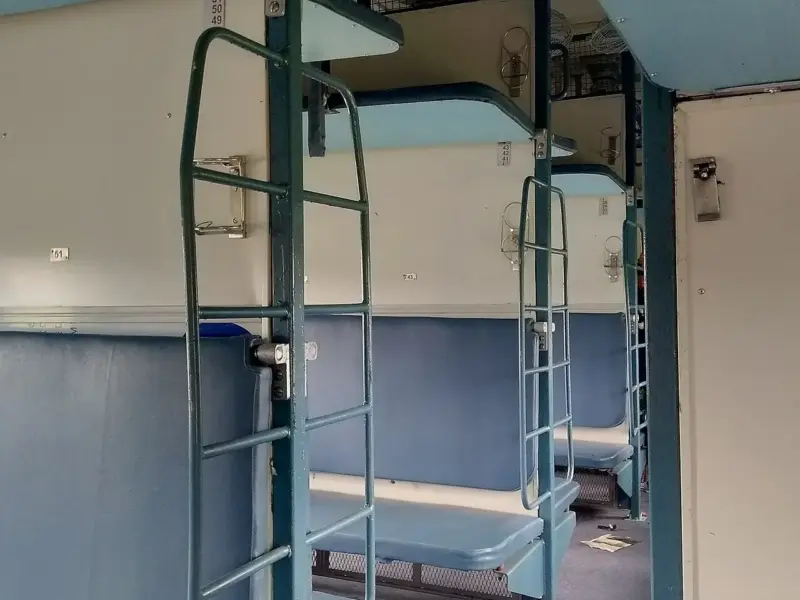
The reasons to prefer it are practical rather than romantic. It is unaffected by road traffic, so the arrival time is predictable in a way a car or bus is not. You can walk about, and you arrive at Jaipur Junction, which is in the city rather than outside it. An early departure gets you in with most of a usable day left, which matters a great deal on a two-day trip.
The one thing you must do is book ahead. Reserved seating on this route fills, especially in the winter season.
Flying: usually not worth it
The flight itself is short. Everything around it is not.
You have to get to Delhi’s airport, which from most of the city is not quick, then arrive early enough to check in, then fly, then get from Jaipur’s airport into town. Door to door, that stack usually adds up to more than a fast train, and it costs more.
Flying makes sense mainly when you are connecting from an international arrival and staying airside, or when a specific schedule happens to suit you. As a way of getting from central Delhi to central Jaipur, it rarely wins.
Bus: cheapest, most frequent, most exposed
Buses run this route constantly, in a range from basic state services to air-conditioned coaches and overnight sleepers. It is the cheapest option and the one that needs the least planning, because there is nearly always another one.
The catch is that a bus sits in the same traffic as everything else. On a bad day the journey stretches, and unlike a train there is nothing to do about it. If your schedule is tight, that risk is the argument against.
Private car: for when the journey is part of the trip
The expressway has made the drive considerably faster than it used to be, and a car and driver is a comfortable way to do it.
Its real advantage is that it is the only option you can stop. If you want to break the journey, or you are carrying a lot of luggage, or you are travelling as a group where the per-person cost stops looking bad, it makes sense. If you are going straight there, you are paying a premium for door-to-door convenience and taking on traffic risk to get it.
Choosing
- Short trip, fixed dates. An early fast train, booked well ahead.
- Tight budget. Bus, and leave slack in the schedule.
- Group, luggage, or a stop on the way. Private car.
- Connecting from an international flight. The only case where flying is clearly sensible.
Timetables, fares and services on this corridor change, so treat all of the above as how to choose rather than as a schedule, and check the current position when you book.
Before you book
If you end up on a night service, the case for the overnight train applies directly. Indian train classes explained covers what you are actually choosing between at the booking stage, and once you arrive, getting around Jaipur takes over.
Join the discussion