

The overnight train is usually presented as the romantic option, which does it no favours, because romance is not a reason to choose a form of transport at seven in the morning. The honest case is more practical: it converts travel time into sleeping time, it drops you in a city centre rather than an airport, and on the right route it costs less than a flight plus a hotel night.
It is also frequently the wrong choice. The distinction matters more than the enthusiasm does.
The real arithmetic
Compare a night train against a flight properly and the flight loses more often than the ticket prices suggest. A short flight is an hour in the air and about six hours of process: getting to an airport that is usually well outside the city, arriving two hours early, security, boarding, waiting for bags, and then getting from the destination airport into town.
Set against that, a night train departs from a station you can reach on a metro at nine in the evening and arrives in the middle of the destination at seven. The journey occupies hours you were going to spend unconscious anyway, and it removes a hotel night from the budget.
The break-even is roughly this: if the train journey is between about eight and fourteen hours, the overnight option is usually the better deal. Under eight, you arrive uncomfortably early or lose sleep. Over about fifteen, you are spending a substantial part of a second day on board.
What you are actually booking
The single biggest determinant of whether you enjoy this is the accommodation class, and the names differ by country. Broadly:
- Seat. Cheapest, and genuinely hard to sleep in. Reasonable for one night if the train is quiet, miserable otherwise.
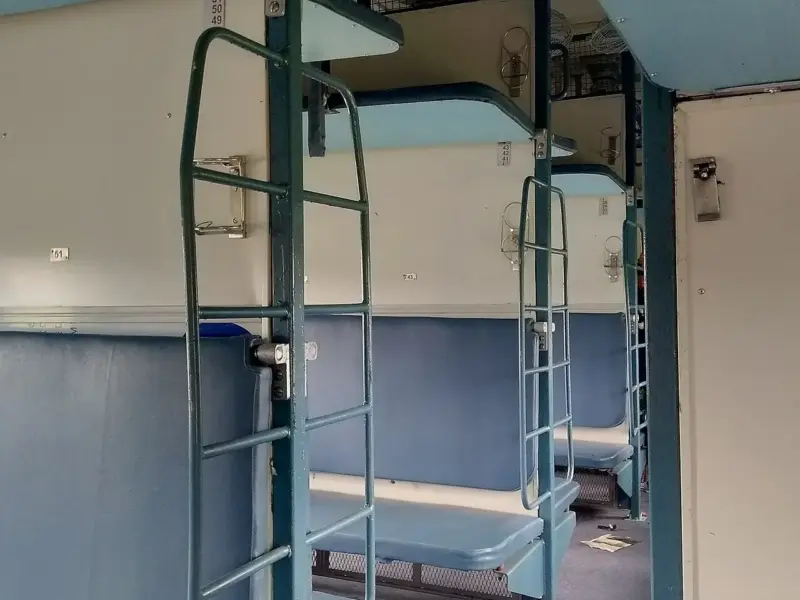
- Couchette. A compartment of four or six bunks shared with strangers, bedding provided, no washing facilities in the compartment. This is the value option and it is fine. Six-berth compartments are cramped; four-berth is worth the difference.
- Sleeper. One to three berths, proper beds, usually a washbasin, sometimes a private shower and toilet. Roughly double the couchette price, and the point at which a night train genuinely competes with a hotel.
Booking a lower bunk is worth doing if the system allows it. You get the seat during the evening and you do not climb in the dark.
Sleeping on a moving train
People who say they cannot sleep on trains have usually not adjusted for the specific things that wake you.
- Earplugs and an eye mask. Not optional. Corridor lights, door mechanisms and border checks are the disruptions, not the motion.
- Sleep with your head towards the direction of travel if you have a choice. Braking then pushes you into the mattress rather than pulling you off it.
- Keep valuables against the wall, under your pillow. Most compartments lock from the inside; use it.
- Expect a stop at the border on international routes. On some, staff collect passports in the evening and return them in the morning specifically so you are not woken.
- The motion helps most people. The rocking is genuinely soporific once the noise is dealt with.
When to take the train
- City centre to city centre on a route of eight to fourteen hours.
- When the flight alternative involves a secondary airport an hour outside town at each end.
- When you are travelling with a lot of luggage, since there is no weight limit and no bag drop.
- When you want the day at each end intact.
- Where the scenery is part of the reason for going, and there is daylight at one end of the trip.
When not to
- On very long routes where a second full day on board is the real cost.
- When you must be somewhere at a fixed time. Night trains are more exposed to delay than day services, and a two-hour delay is not unusual.
- If you sleep badly in shared spaces and the sleeper class is not within budget. Arriving exhausted destroys the saving.
- When the price gap has closed. On some routes a sleeper berth now costs more than a budget flight and a cheap hotel.
Routes that make the case well
Europe has more of these than it did a decade ago, after a long period of decline: the Austrian Nightjet network across central Europe, services from Sweden and Norway towards the Arctic, and the Caledonian Sleeper from London to Scotland. India runs one of the largest sleeper networks in the world, and the Delhi to Jaipur route is a standard example of exactly the eight-to-fourteen-hour case above. Vietnam, Egypt and Turkey all have well-used overnight services.
Practical notes
- Book early. Sleeper berths are limited and sell out well before seats do, often months ahead in summer.
- Bring your own food and water. Onboard catering ranges from good to absent, and it is expensive where it exists.
- Charge everything before boarding. Sockets exist in most modern sleepers and in very few couchettes.
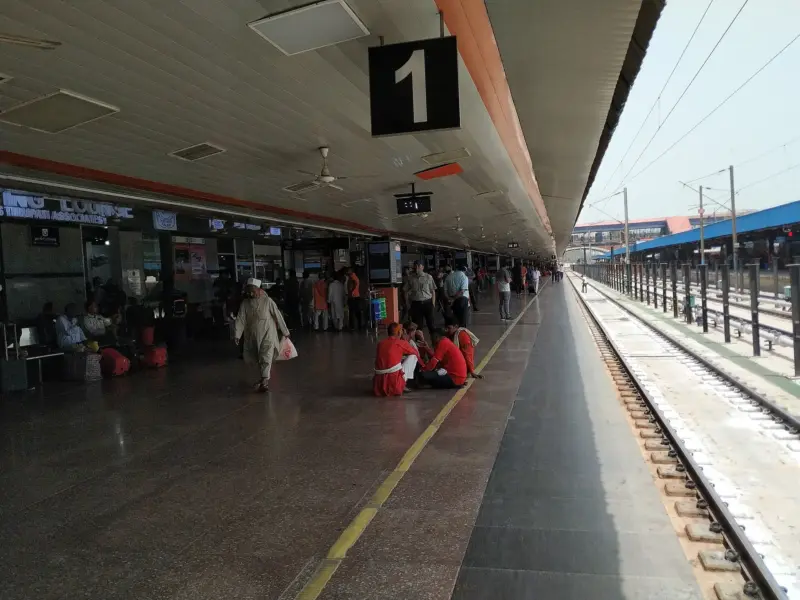
- Arrive slightly early. Boarding often opens only twenty minutes before departure, and finding your carriage on a long train takes time.
Where this fits into a trip
Trains reward travelling light for the same reasons flights do, so packing a carry-on for a week applies. If the destination is Jaipur, two days there is where the arrival slots in.

Join the discussion