Indian Recipes
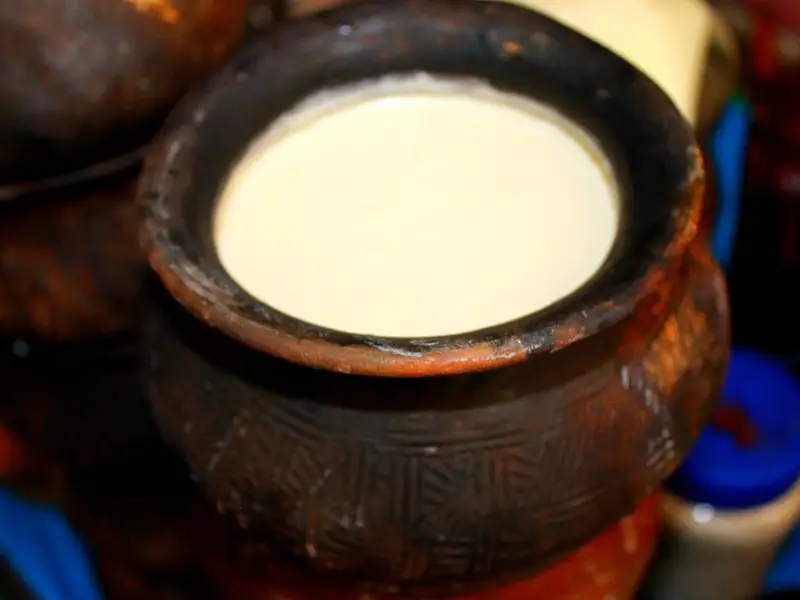
Why homemade curd does not set, and the temperature that decides it
Setting curd is keeping a bacterial culture in the narrow band where it works. Almost every failure is milk that…

Indian home cooking, written technique-first. Why poha turns to mush and how to stop it, what the tempering in a dal is actually extracting, why paneer goes rubbery and when to put it in, and the reason a chapati puffs. Recipes you can repeat rather than follow once.
The puff is steam trapped between two sealed layers. Everything that prevents it is a leak, and most leaks are made with the rolling pin.
Setting curd is keeping a bacterial culture in the narrow band where it works. Almost every failure is milk that…
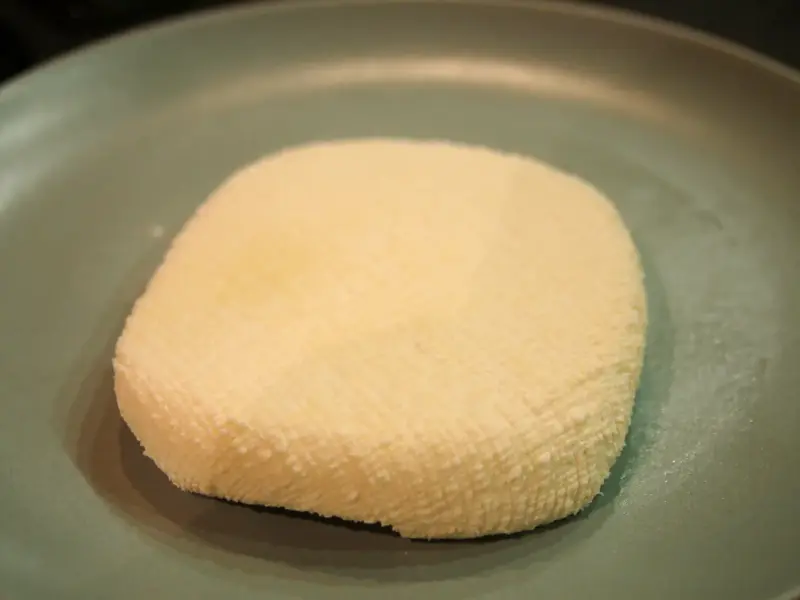
Paneer is a protein network holding water. Heat makes it contract and squeeze that water out, which is the whole…
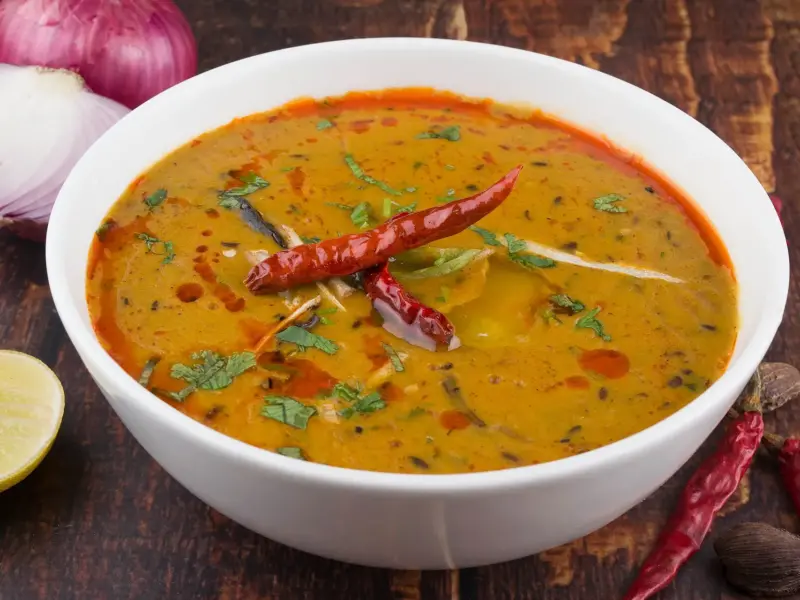
The tempering is not an ingredient you add, it is a way of extracting flavour into fat. Cook it into…
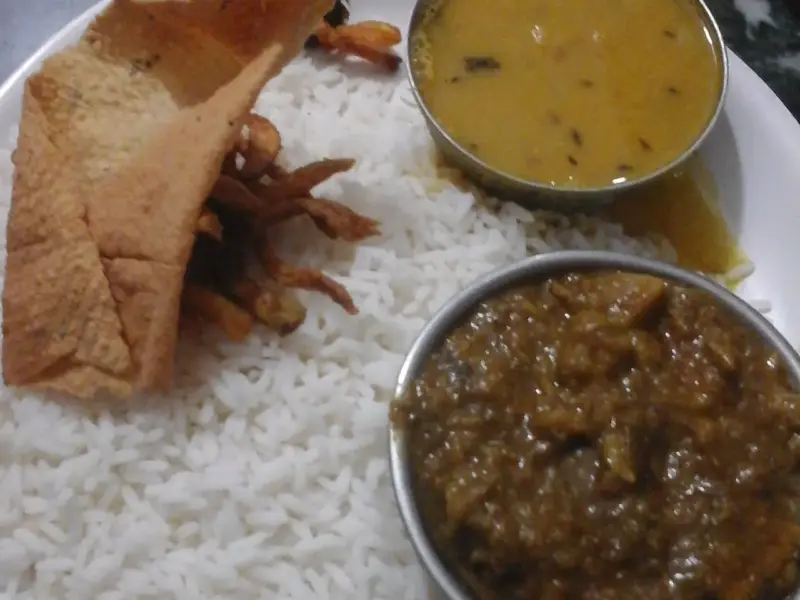
Sticky rice is loose surface starch. Rinsing removes it, resting finishes the job, and the ratio matters less than either.
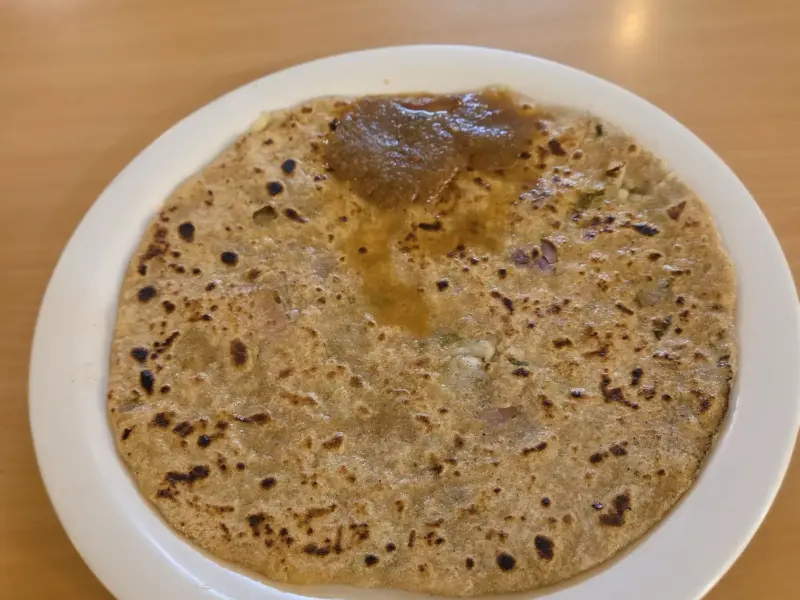
A paratha that splits and leaks is nearly always a wet filling or a stiff dough. Both are decided before…
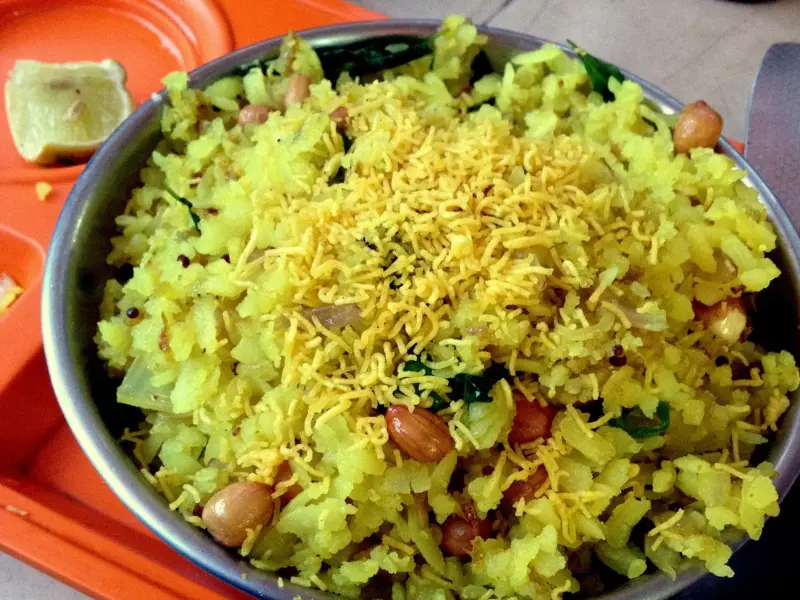
Soggy poha is almost always the wrong thickness of flake, or standing water. Neither is fixed by the recipe.
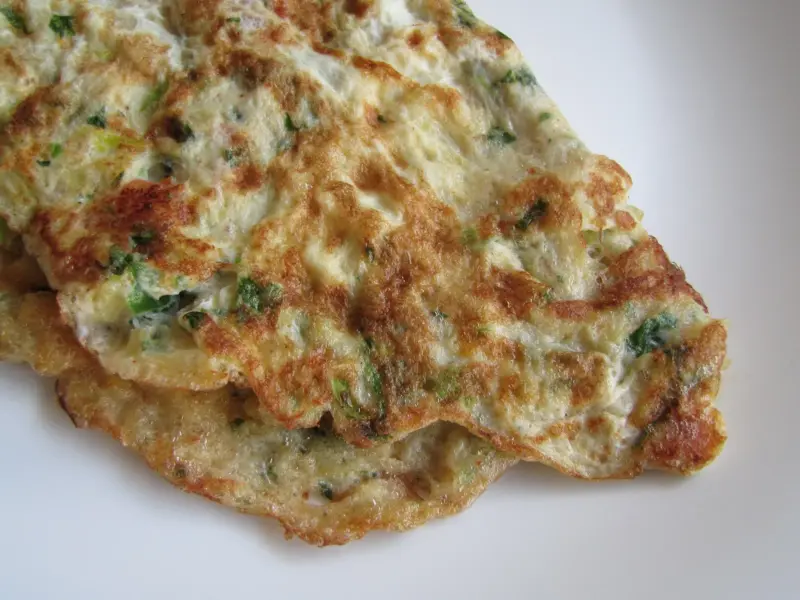
Two things separate a tender masala omelette from a rubbery one, and neither is the recipe: when you add the…