

The failure everyone knows: the paratha is rolling out nicely, and then a grey patch appears, the surface splits, and filling is on the board. It reads like a rolling problem, so people roll more carefully next time and it happens again.
It is very rarely the rolling. By the time you pick up the pin, the outcome has usually been decided by how wet the potato is and how soft the dough is.
Water is the enemy, and it gets in early
A wet filling defeats a paratha in two ways at once. It is heavier and slumps rather than holding its shape as you roll, so it pushes outward against one spot instead of spreading. And moisture from the filling soaks into the inside face of the dough, weakening exactly the layer that has to stretch.
Three things keep water out. Boil the potatoes whole, with their skins on, so there is no cut surface for water to enter through. After draining, leave them uncovered for ten minutes and let the surface steam go, rather than trapping it under a lid. Then, once mashed, spread the mash out and cool it completely.
That last step is the one most often skipped, and it matters more than it sounds. Warm mash is still giving off steam. Enclose it in dough and that steam has nowhere to go; it condenses against the inside of the paratha and softens it from within while you are still rolling.
Floury, not waxy
Floury potatoes have more starch and less water, and they break down into a dry, fluffy mash. Waxy potatoes hold their moisture and their shape, which is what makes them good in a salad and poor here. No amount of cooling will dry out a waxy potato enough.
Mash by hand. A food processor ruptures the starch granules and pulls out enough free starch to turn the filling into something closer to glue, which is both wetter and harder to enclose.
Lumps puncture from the inside
A piece of unmashed potato is a hard point inside a sheet that is being stretched thin. Wherever that lump sits, the dough over it thins faster than the dough around it, and that is where the tear starts.
Before you stuff anything, press the filling flat under your palm. You will feel lumps you cannot see. Break them up.
A soft dough, properly rested
The dough has to stretch to perhaps three times its original diameter with a solid mass inside it. A stiff dough cannot do that; it resists, then gives way all at once.
Knead to something noticeably softer than you might expect, soft enough that a finger pressed into it leaves a dent without effort, and then rest it for twenty to thirty minutes. Resting lets the flour finish absorbing water and lets the gluten relax after kneading. A rested dough stretches; an unrested one springs back and tears.
Sealing, and the knot of dough nobody mentions
Flatten the dough ball so it is thicker in the middle than at the edges. The centre has the furthest to stretch, so it needs the most material.
Gather the edges up over the filling and pinch them together. What you are left with at the top is a twist of dough several layers thick. Pinch it off and discard it. Leave it in place and you have a dense lump at the centre of the paratha that refuses to roll out, so you press harder to flatten it, and the pressure goes into the thin areas around it instead.
Rolling
Flatten with your palm first, so the filling is distributed before the pin touches it. Then roll from the centre outward with light, even pressure, lifting and turning the paratha between strokes rather than rolling back and forth over the same line.
If a small tear appears, patch it with a scrap of dough pressed over the hole and keep going gently. It will cook fine.
Diagnosing your own failure
- Leaks in one spot, early. A lump in the filling, or the knot of dough was left on.
- Goes soggy and grey all over. The filling was warm or wet when it went in.
- Splits immediately, before it spreads. The dough is too stiff, or was not rested.
- Thick, doughy middle. Too much dough at the centre, or the disc was flattened evenly instead of thicker in the middle.
- Dry and cracker-like. Cooked too long, or too little ghee at the end.
Related cooking
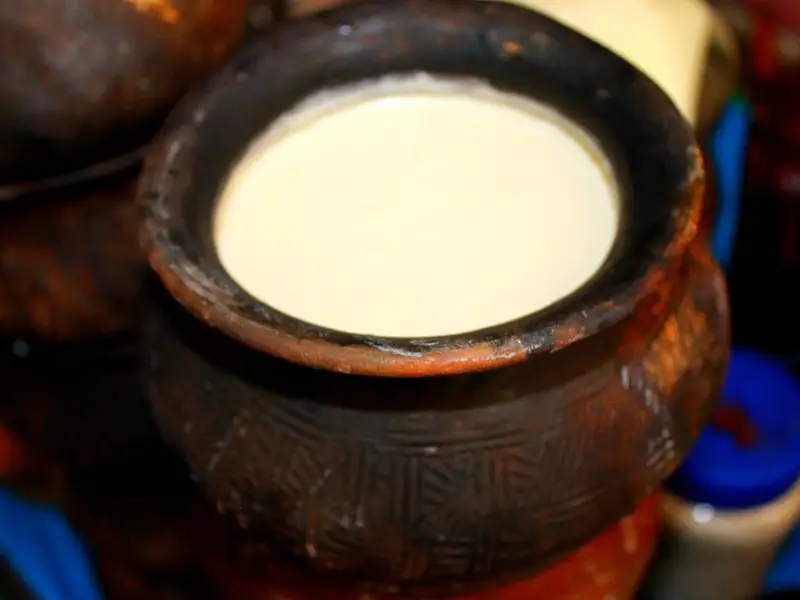
The dryness principle here is the same one behind deseeding tomatoes for besan chilla, and behind not soaking the flakes for vegetable poha. For a faster weekday option, the masala omelette. The unstuffed version of the same dough is why a chapati puffs, and the curd to serve alongside it is easy enough to set at home.
Join the discussion