

Most first-trip advice about India is written at a pitch of high drama, which is not very useful, because the things that actually go wrong are mundane. They are wrong assumptions about distance, connectivity and payment, and each one costs a day.
You have planned too many places
This is the big one, and nearly everyone does it.
India is very large, and average travel speeds are lower than the map implies. Two cities that look adjacent can be an overnight train apart. A three-hundred-kilometre road journey is not a three-hour job. Add the transfers at each end and a single move between cities regularly consumes most of a day.
A two-week trip with six cities in it is really a two-week trip with five travel days in it. Cut the list. Three places properly is a better trip than six places from a vehicle window, and the same argument applies at city scale, which is why two days in Jaipur is built around four things rather than nine.
Get connected on day one
India runs on mobile data to a degree that surprises visitors. Ride-hailing, payments, train status, maps and restaurant ordering all assume you are online, and being offline makes ordinary tasks disproportionately harder.
Sort a local SIM or an eSIM as early as you can. Local SIM registration requires documentation and can take a little time, so an eSIM arranged before departure is often the smoother route. Data is inexpensive once you have it.
Payment: digital nearly everywhere, cash still useful
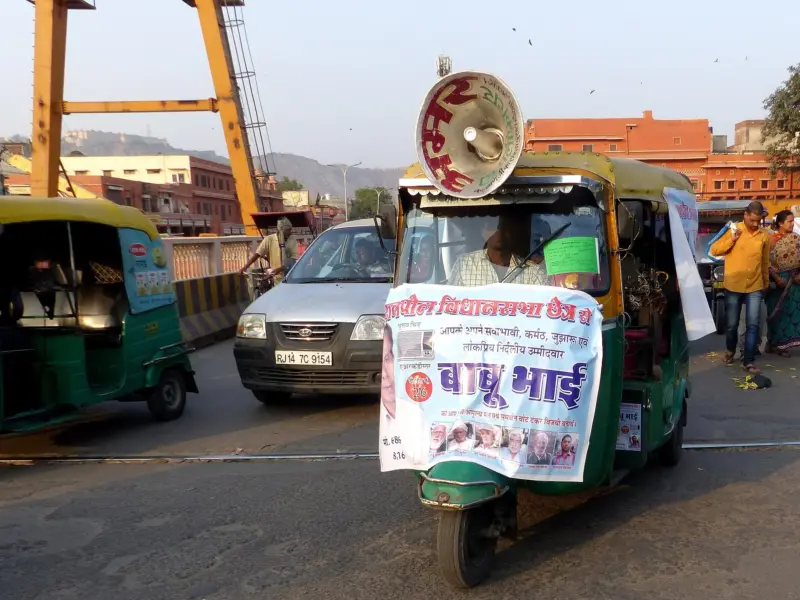
Digital payment by QR code is close to universal, down to small stalls and autorickshaws. Visitors often arrive expecting a cash economy and find the opposite.
The complication is that the main domestic system is built around Indian bank accounts, and access for short-term visitors varies. Check what your cards and apps will actually do before you rely on them, and carry some cash as a fallback. Small notes are worth having; change for a large note is a recurring minor irritation.
Trains sell out
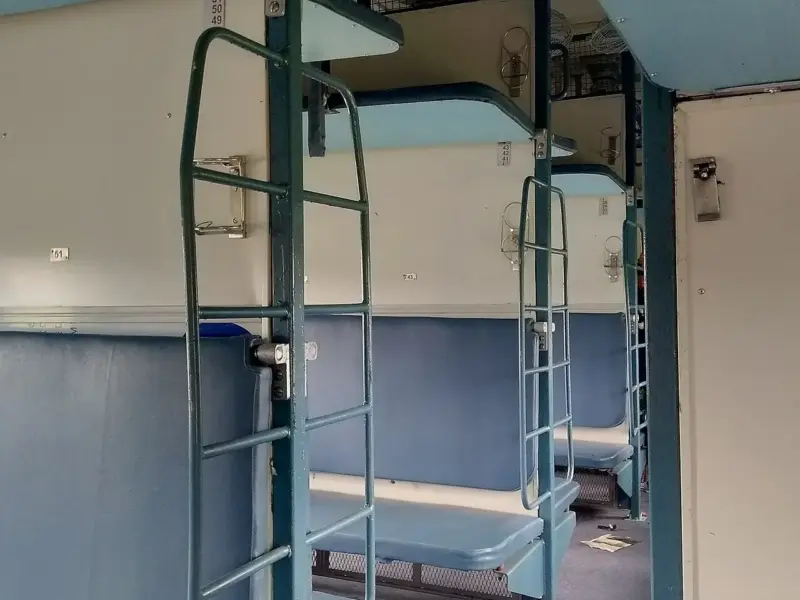
Reserved train travel is booked well in advance by people who are not tourists, and popular routes in the winter season fill up. Arriving with a rough plan and buying tickets as you go works far less well here than in many countries.
Book the long legs before you leave. Which class to book is a separate decision and worth making deliberately rather than defaulting to the cheapest or the most expensive.
Food and water, without the paranoia
Sealed or properly filtered water, and take the same care with ice. Beyond that, the useful heuristic is turnover rather than appearance: a busy stall cooking to order in front of you is generally a better bet than quiet premises serving food that has been sitting.
Give yourself a few days to adjust before eating anything very rich or very spicy, and be a bit conservative with raw salads and cut fruit early on. Most trouble comes from doing everything at once in the first forty-eight hours.
Persistent selling, and saying no
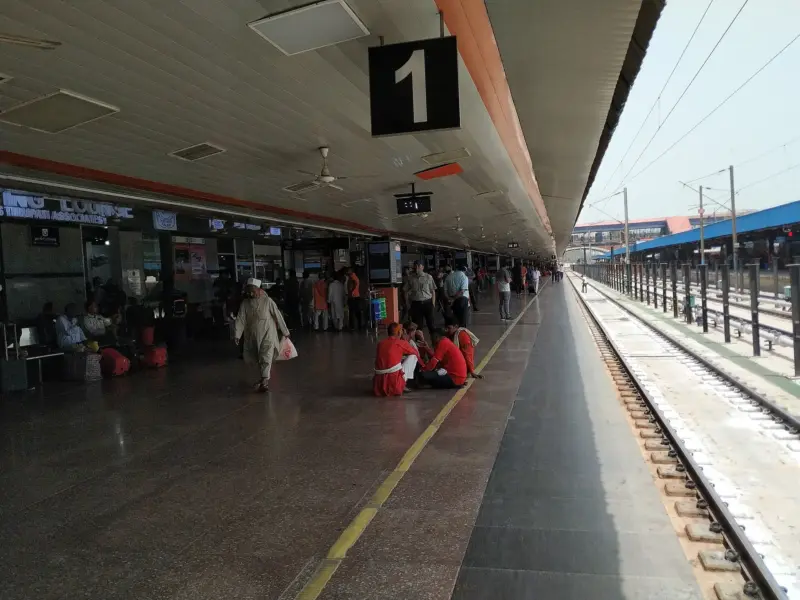
At major sites and transport hubs you will be approached, often repeatedly, and some of it involves being told that your hotel is closed, the site is shut today, or that you need a particular guide or shop. Treat unsolicited information of that kind with scepticism and verify it yourself.
A clear, friendly, final no is normal and nobody takes offence at it. Visitors who feel obliged to be endlessly polite tend to have a harder time than those who decline plainly and move on.
Small etiquette worth knowing
- Shoes come off at temples and often at homes. Wear something you can slip off without sitting down.
- Cover shoulders and knees at religious sites. Carrying a scarf solves this.
- The right hand is used for eating and for giving and receiving. The left is conventionally avoided for these.
- Ask before photographing people. This is ordinary courtesy and it is often welcomed when you ask.
- A side-to-side tilt of the head is agreement or acknowledgement, not refusal.
Leave gaps in the plan
Things run late. A schedule with no slack in it turns every delay into a lost booking, and the recovery consumes more time than the delay did. An itinerary with an unplanned afternoon in it is not a wasted afternoon; it is the thing that keeps the rest of the trip intact.
Before you go
For the bag, packing a carry-on for a week. For a first destination that rewards a short stay, Jaipur in two days, and if you are going in the hot months, what each season costs you.
Join the discussion