Indian Recipes

Dal tadka, and why the tempering goes on at the end

The tempering is not an ingredient you add, it is a way of extracting flavour into fat. Cook it into the dal and you throw most of it away.

A bowl of dal tadka with a tempering of cumin and chilli poured over the surface.
Dal tadka. Photograph by AugustineKajur, CC BY-SA 4.0, via Wikimedia Commons.

Key takeaways

  • The aroma compounds in whole spices are fat-soluble and volatile: hot fat extracts them, prolonged cooking drives them off.
  • Pour the tempering over the finished dal so those compounds reach the table.
  • Order matters in the tadka pan: seeds first, then aromatics, then powders, then wet ingredients.
  • Ground spices burn in seconds; add them once there is moisture in the pan.
  • Salt the pulses only once they are soft.
Prep time
10 min
Cook time
40 min
Total time
50 min
Servings
4

Tadka gets described as a step, which undersells it. It is a small extraction process, and the reason it comes at the end rather than the beginning is chemistry rather than tradition.

What hot fat is doing to a cumin seed

Most of what you smell in a whole spice sits in volatile oils held inside the seed. Two things are true of those compounds: they dissolve readily in fat and poorly in water, and they evaporate easily.

Dropping cumin into hot ghee exploits both. The heat drives the oils out of the seed and the fat immediately dissolves and holds them. That is why the kitchen smells of cumin within seconds of the seeds going in, and why the same seeds stirred into a pot of simmering water give you comparatively little.

Which is exactly why it goes on last

Those same compounds are volatile, so they leave. Stir a tempering into a pot of dal and simmer it for twenty minutes and a large share of what you extracted goes off into the room with the steam. What is left is duller and flatter, and people compensate with more chilli.

Pour it over at the end and it arrives at the table nearly intact. The hiss when the fat hits the dal is worth listening for; it means the tempering was hot enough to have done its job.

This is the same reasoning behind adding coriander leaves off the heat, and behind the lemon going in at the very end.

The order inside the small pan

Everything in the tadka pan has a different tolerance for heat, and the order follows that rather than any recipe convention.

  • Whole seeds first. Cumin, mustard. They need the hottest fat and take the longest to give up their oils.
  • Then asafoetida and dried chillies. Seconds only. Hing turns from sharp to savoury almost instantly.
  • Then garlic, then onion. Both contain sugars that will brown and then burn if they go in while the fat is at its hottest.
  • Ground spices near the end. Powders have enormous surface area and burn in a couple of seconds in bare fat. Add them once there is onion or tomato moisture in the pan to buffer the heat.
  • Tomato last. Cook until you see fat separating at the edges, which is the sign the water has gone and the flavours have moved into the ghee.

Burnt cumin cannot be rescued

There is a narrow window between cumin that is bloomed and cumin that is burnt, and it is perhaps ten seconds wide at a normal medium heat. Bloomed cumin goes one shade darker and smells nutty. Burnt cumin looks nearly black and smells acrid, and the bitterness it carries will run through the entire pot.

The small pan holds heat after you take it off the flame, so pull it a moment earlier than feels right. If the seeds do go too far, tip them out and start again. It costs a spoonful of ghee and saves the dal.

Salt the dal late

Salt added at the start of cooking slows the softening of pulses, and toor dal that has been simmering in salted water can stay stubbornly firm well past the point it should have collapsed. Cook it plain with turmeric, and season once it is soft.

Two things to put it with

For the rice to serve alongside, the two habits that stop it going sticky matter more than the variety. The volatile-compound argument here is the same one that decides when coriander goes into a masala omelette.
Ingredients

  • For the dal
  • 200 g toor dal (split pigeon peas), about 1 cup
  • 750 ml water
  • 1/2 tsp turmeric
  • 1 tsp salt
  • For the tadka
  • 3 tbsp ghee or oil
  • 1 tsp cumin seeds
  • 2 dried red chillies
  • 4 garlic cloves, sliced thin
  • 1 small onion, finely chopped
  • 1 tomato, chopped
  • 1/2 tsp red chilli powder
  • A pinch of asafoetida (hing)
  • Coriander leaves and a squeeze of lemon to finish

Instructions

  1. Rinse the dal until the water runs clear. Simmer with the water and turmeric, skimming the foam, until completely soft and breaking down, 30 to 40 minutes in a pan or about 8 minutes at pressure.
  2. Whisk the cooked dal briefly to the consistency you want, adding hot water if it is too thick. Add the salt now, not earlier.
  3. Heat the ghee in a small pan over medium. Add the cumin. When it darkens a shade and smells nutty, about 20 seconds, add the hing and dried chillies.
  4. Add the garlic and cook until pale gold, not brown. Add the onion and cook until soft.
  5. Add the tomato and the chilli powder and cook until the fat separates out at the edges.
  6. Pour the whole tempering over the dal. It should hiss. Stir through once.
  7. Finish with coriander and lemon off the heat. Serve within a few minutes.

Recipe tips

  • Salt the dal after it is soft. Salting early slows the softening of the pulses.
  • If the cumin goes dark brown rather than a shade darker, start again. Burnt cumin is bitter and it will carry through the whole pot.
  • Take the small pan off the heat a moment before you think you should. It keeps cooking.

Serving suggestions

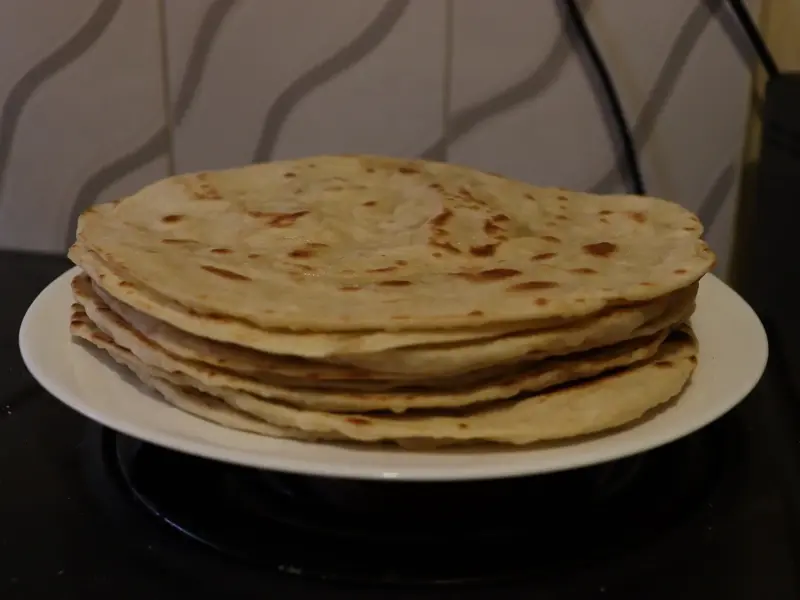
  • Rice or chapati, and something sharp on the side.

Storage

  • Keeps three days refrigerated and thickens considerably. Loosen with hot water when reheating; a fresh half-quantity tempering brings it back to life.

Sources

  1. Tempering, on the technique itself
  2. Essential oil, on the fat-soluble volatile compounds involved

Frequently asked questions

You can, but you lose most of the reason for doing it. The volatile compounds start escaping as soon as the fat cools, and a reheated tempering is a shadow of a fresh one. If you are reheating leftover dal the following day, it is worth making a small fresh tadka rather than relying on the original.

Almost always burnt cumin or burnt garlic. Cumin needs about twenty seconds and should go one shade darker, not brown. Sliced garlic should stop at pale gold. Both continue cooking in the residual heat of the pan after you take it off.

Raw, it is unpleasantly sharp. Bloomed in hot fat for a few seconds it turns savoury and rounded, and it fills in for the depth that onion and garlic provide. It is also traditionally used to make pulses easier to digest.

HRITU Editorial Desk is the byline for pieces produced in-house by the HRITU editorial team. We write about cooking, travel, science and everyday knowledge, and we explain the reasoning behind what we publish rather than just stating conclusions. Every article is checked against primary or reference sources before it goes out, dated on publication, and updated in the open when we learn something is wrong. Corrections and questions are welcome at info@hritu.com.

Join the discussion